about Leopold
I am interested in how and why responsibility to each other and to community works – how it works and why it got left out of the liberal project.
Right now my interests manifest in PhD work which explores the idea of sensus communis that was excluded from the models of government that grew out of 18th century England. The slightly surprising aspect of this older and quite different view of common sense is that it is rooted in aesthetics. There is a deep connection between aesthetics and ethics at the origin of liberalism which is therefore a spring of intrigue and trouble.
This is a historical issue and one I have been pursuing, sometimes without realizing it, throughout my career. The questions of the value and capacity of art and creative embodiment, the question of power systems, of decolonizing, of renovating the social and political conditions of our world, all have complex philosophical answers woven throughout the history (and present) of political thought. I come to this theoretical inquiry through 25 years in the art world.
Aesthetics at its heart is about sharing perception: how can two individuals each have highly personal, subjective experiences of the world but then find a shared, objective ground to talk about them? In philosophical aesthetics we talk about ‘taste’ and ‘beauty’; in art we talk about feeling and meaning; but they’re all rooted in the same transition: me becoming we.
- I studied history (and art history and political philosophy) at the University of Chicago; I studied art history at Edinburgh University; my PhD will be from SPT at York.
- I have done collections management and I was a curatorial assistant in the renovation, reinstall and launch of a historic house museum.
- I worked in the Education department of the National Galleries of Scotland teaching everyone from five year-olds to university students, from people with blindness & low vision to bankers’ social parties.
- I’ve worked at the Indianapolis Museum of Art and I’ve volunteered at The Works in Edmonton.
- I worked at a private gallery in New Brunswick for three years.
- I have had several editorial positions including eight years as the editor in chief of Studio Magazine.
- I taught craft, art and design histories and theory at Sheridan College for thirteen years.
I think there’s something about beauty that deeply informs how we make ourselves, how we make our relationships, how we make our communities, how we make our nations.
I think that aesthetics is more powerful than expected: aesthetics can be a process for understanding any ‘thing’ (anything) in the same manner in which questions of beauty have been historically pursued.
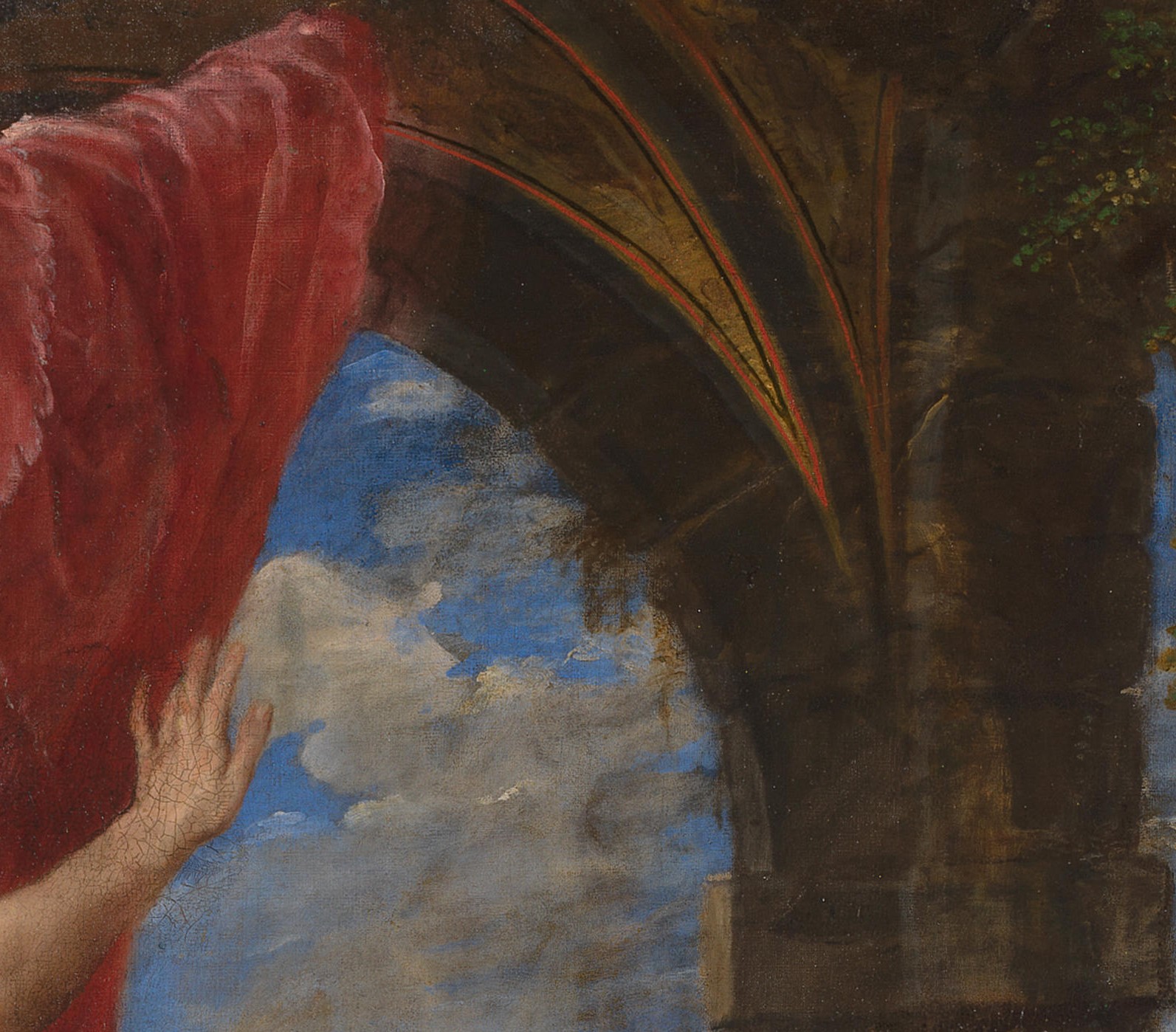
The social & political expression of beauty
When discussing beauty, the very last thing we should do is discuss art. And we shouldn’t discuss attractiveness or lust or sensuous pleasure until after that…much much later, long after the fact.
In discussing aesthetics, art enters only once we have a robust sense of what beauty can mean more broadly. The definition of beauty is always open to negotiation.
When I’m talking about beauty, I’m thinking about balance, harmony, orderliness. Beauty is a transcendent, universal element that is brought into meaning and value in flexible and limitless ways of being. Sure, in people and nature and art of all kinds; but also in the individual-self interacting with the world, in social exchanges and in the fundamentals of political structures. Incredulity towards metanarratives is crucial; challenging and refusing to just accept previously constructed stories is a necessary part of beauty’s social and political power. The diversity of existence is empowered by, not limited by, the embodiments of beauty in our world.